


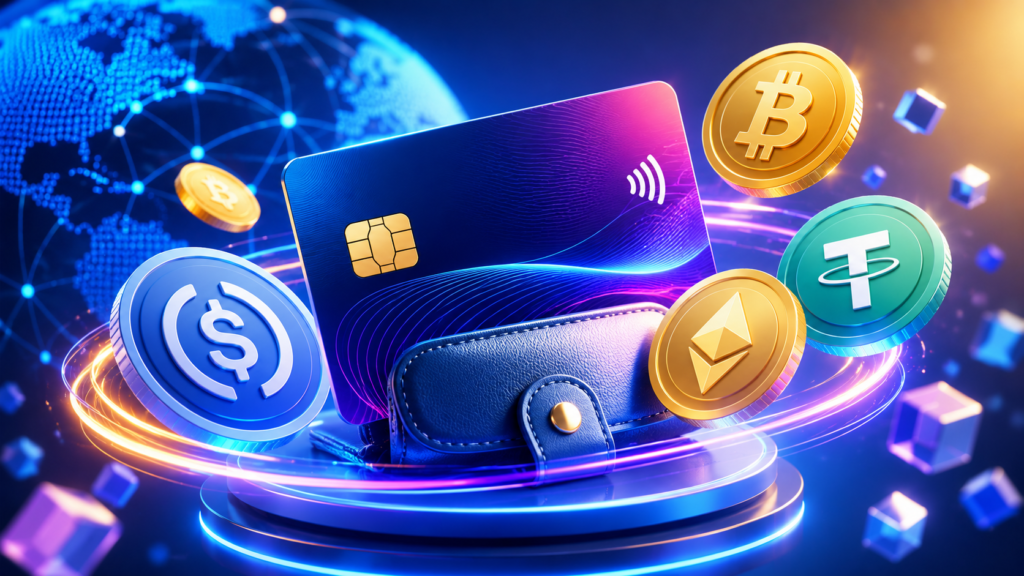
Cryptocurrency adoption is no longer limited to trading platforms and investment portfolios. One of the fastest-growing areas of blockchain innovation is the integration of digital assets into everyday financial products, including payment cards, rewards programs, and consumer spending tools.
Among these developments, stablecoin-powered payment cards have emerged as an interesting bridge between traditional finance and blockchain technology. By combining familiar payment experiences with digital asset infrastructure, these products aim to make cryptocurrency more accessible to everyday users.
Understanding how these cards work can help consumers better evaluate the opportunities and risks associated with the next generation of financial services.
What Are Stablecoin-Powered Payment Cards?
A stablecoin-powered payment card functions similarly to a traditional debit or credit card but incorporates blockchain-based assets into the rewards, settlement, or payment process.
Unlike cryptocurrencies such as Bitcoin or Ethereum, stablecoins are designed to maintain a relatively stable value by being linked to traditional assets such as the U.S. dollar.
This stability makes them more practical for everyday financial applications, including:
- Consumer payments
- Cross-border transfers
- Merchant settlements
- Loyalty programs
- Rewards systems
The goal is to combine the convenience of traditional payment networks with the efficiency of blockchain infrastructure.
Why Stablecoins Are Gaining Attention
Stablecoins have become one of the most widely used segments of the digital asset ecosystem.
Several factors contribute to their growing popularity.
Reduced Price Volatility
Traditional cryptocurrencies can experience significant price swings within short periods.
Stablecoins seek to minimize this volatility, making them easier to use for transactions and financial planning.
Faster Transfers
Blockchain networks can facilitate near-instant value transfers compared to some traditional payment systems.
Global Accessibility
Stablecoins can be transferred across borders without relying on conventional banking infrastructure, making them attractive for international payments.
Programmable Finance
Because stablecoins operate on blockchain networks, they can integrate with smart contracts and decentralized financial applications.
How Crypto Reward Cards Work
Many crypto-linked payment cards offer rewards similar to traditional cashback programs.
Instead of earning airline miles or retail points, users may receive rewards in:
- Stablecoins
- Bitcoin
- Ethereum
- Other digital assets
The rewards structure varies depending on the provider, but the concept remains similar to traditional credit card incentive programs.
For consumers already interested in digital assets, these rewards can provide exposure to blockchain-based financial products through everyday spending.
Benefits of Stablecoin-Based Rewards
Simplicity
Stablecoin rewards are generally easier to understand than highly volatile crypto rewards because their value tends to remain relatively stable.
Transparency
Blockchain transactions can provide greater visibility into reward distribution and asset movement.
Flexibility
Depending on the platform, rewards may be:
- Held as digital assets
- Converted into cash
- Used for payments
- Integrated into other financial services
Potential Risks Consumers Should Understand
While stablecoin payment products offer potential advantages, consumers should also evaluate associated risks.
Regulatory Changes
Digital asset regulations continue to evolve globally, which could affect product availability and functionality.
Platform Risk
Users should understand the financial institutions, custodians, and service providers involved in managing assets.
Technology Risk
Like any digital financial product, blockchain-based services may face operational, security, or technical challenges.
Reward Structure Changes
Rewards programs can change over time, making it important to review current terms and conditions regularly.
The Growing Role of Blockchain in Payments
The broader trend extends beyond reward cards.
Financial institutions, fintech companies, and payment providers are increasingly exploring blockchain technology to improve payment efficiency, settlement speed, and transparency.
Areas receiving significant attention include:
- International remittances
- Merchant settlements
- Digital identity systems
- Tokenized assets
- Real-time payments
These developments suggest that blockchain infrastructure may play an increasingly important role behind the scenes, even when consumers are unaware of the technology powering their transactions.
What Consumers Should Consider Before Choosing a Crypto Payment Card
Before selecting any crypto-linked financial product, consumers should evaluate:
- Fees and annual charges
- Reward structures
- Supported digital assets
- Security measures
- Regulatory compliance
- Redemption options
- Customer support quality
Comparing these factors can help determine whether a crypto payment card aligns with individual financial goals.
Conclusion
Stablecoin-powered payment cards represent an emerging intersection between traditional finance and blockchain technology. By combining familiar spending experiences with digital asset infrastructure, these products demonstrate how cryptocurrency is gradually moving beyond trading and speculation.
While adoption continues to evolve, understanding how these payment systems operate can help consumers make informed decisions as blockchain-based financial services become increasingly integrated into everyday life.